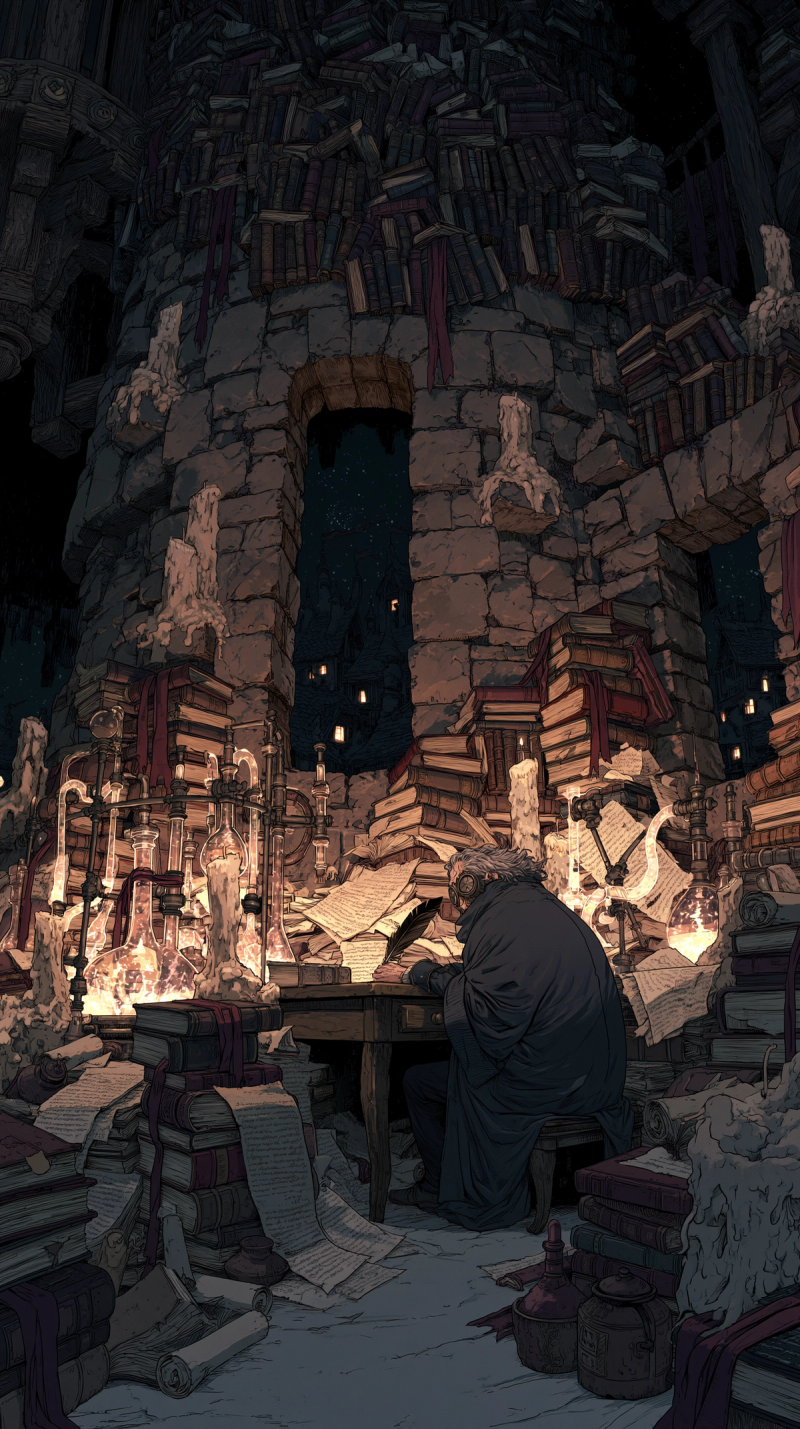
Why Visual Narrative Is the Most Underestimated Tool in a Brand's Creative Arsenal
Every brand has a story. Not every brand knows how to tell it visually — and that gap is costing them more than they realize.

The Story Before the Story
Before a player reads a single line of game copy. Before a viewer decides whether to click play. Before a prospect fills out a contact form. Something has already happened.
They've made a judgment. Not a conscious one — an instinctive one, formed in the half-second between landing on a page and deciding whether to stay. That judgment is based almost entirely on what they see, not what they read. The color. The typography. The imagery. The spacing. The feeling the whole thing creates before a single word has been processed.
That feeling is visual narrative. And for most brands, it's either working for them or against them — there's very little middle ground.
What Visual Narrative Actually Is
Visual narrative is not the same as having a logo, a color palette, or a brand style guide. Those are the raw materials. Visual narrative is what happens when those materials are applied with intention — when every visual decision, across every touchpoint, builds toward the same feeling and the same story.
Think of it this way. A brand style guide tells you what colors to use. Visual narrative tells you how those colors should make someone feel and what that feeling should communicate about who you are.
The difference between a brand that looks consistent and a brand that feels inevitable — that's visual narrative. One is following rules. The other is telling a story so coherently that every touchpoint feels like it could only have come from this one brand.
Why Gaming Gets This Right (And What Other Industries Can Learn)
No industry has more at stake in visual narrative than gaming. When a game launches, the campaign has seconds — sometimes less — to communicate an entire world to someone who has never been in it. The key art, the trailer thumbnail, the microsite, the social assets. Every single one is doing the same job: making a stranger feel something specific about a world they've never visited.
The studios and publishers that consistently build audiences do something that many brands in other industries don't: they treat every visual touchpoint as a chapter in the same story. The trailer and the web campaign and the social content and the in-game UI all feel like they come from the same creative mind, speaking in the same visual language, building the same world.
That coherence is not accidental. It's the result of a creative direction that starts with a clear story and disciplines every visual decision to serve it.
The lesson for brands outside gaming: your audience is making the same half-second judgment. They're deciding whether your brand's world is one they want to enter. If your visual language is inconsistent, generic, or disconnected from what you're actually trying to say — they're leaving before you've had a chance to speak.
The Three Places Visual Narrative Breaks Down
1. When Design and Strategy Are Separate Conversations
The most common failure in visual narrative is treating design as the execution of a strategy that has already been decided elsewhere. Strategy sets the direction. Design makes it visible. When those two functions don't share a language, the result is creative that looks fine but doesn't feel like anything. Polished, competent, and completely forgettable.
The brands with the strongest visual narratives are the ones where the creative direction is inside the strategy from the beginning — not applied afterward.
2. When Consistency Is Mistaken for Repetition
Some brands confuse visual consistency with doing the same thing over and over. They use the same template for every post, the same layout for every page, the same approach for every campaign. The result is consistency without momentum — a brand that looks the same but never goes anywhere.
True visual narrative consistency means the underlying story stays the same even as the execution evolves. A game franchise can have a completely different visual language for each entry and still feel coherent — because the story it's telling about itself hasn't changed, even if everything else has.
3. When the Story Isn't Clear Enough to Be Told Visually
You cannot tell a story you haven't fully defined. This sounds obvious but it's the root cause of most visual narrative failures. Brands that don't know exactly what they stand for, exactly who they're for, and exactly what they want to make people feel — those brands can't build a coherent visual language because there's no coherent story to build from.
Before the creative work starts, the story has to be clear. Not in a paragraph of brand guidelines. In a feeling. What do we want someone to experience when they encounter this brand? Answer that precisely, and the visual narrative becomes possible. Leave it vague, and the creative will be vague too.
How WeAreVK Approaches Visual Narrative
WeAreVK was built inside the industries where visual narrative matters most. Gaming and entertainment don't give you a second chance to make a first impression — the competition for attention is too intense and the audience is too sophisticated.
The creative standards that come from years of building campaigns for Activision, HBO, Riot Games, and NBC Universal are the same standards we bring to every project, regardless of industry. Before a single visual decision is made, we work to understand the story that needs to be told. Not the product features. Not the brand values list. The feeling — specific, precise, and owned.
From that feeling, every visual decision follows. Typography that reinforces it. Color that amplifies it. Imagery that embodies it. Layouts that create the right pace. Interactions that make the right impression. The goal is never for the design to be noticed. The goal is for the story to be felt.
That's the difference between creative that looks good and creative that works.
—
WeAreVK is a Los Angeles creative studio specializing in visual narrative, brand identity, and digital experiences for gaming, entertainment, and technology brands. If your creative isn't telling the right story — let's change that.